баннер
  • Повышение точности и производительности: замечательные алюминиевые детали Safekeso
    Повышение точности и производительности: замечательные алюминиевые детали Safekeso Jan 06, 2025
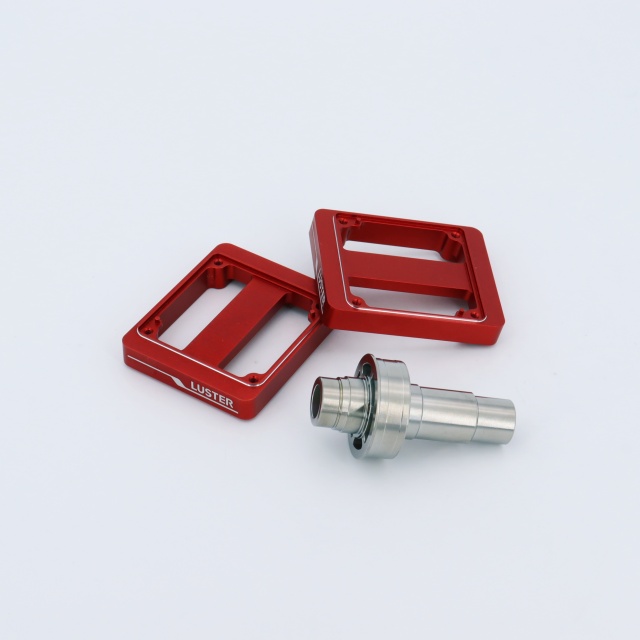
    Название: Название: Повышение точности и производительности: замечательные алюминиевые детали Safekeso Введение: Добро пожаловать в Safekeso, ведущий Производитель OEM Специализируется в точная обработка и Пользовательское изготовление алюминиевых деталейПолем С нашей непоколебимой приверженностью качеству и исключительному обслуживанию Safekeso стал выбором для предприятий, ищущих надежные алюминиевые компоненты. В этом блоге мы рассмотрим замечательный мир алюминиевых частей и их разнообразные приложения. 1. Непревзойденная точность: В Safekeso мы гордимся нашими современными возможностями обработки, которые позволяют нам производить Члены алюминия с ЧПУ с непревзойденной точностью. Наши высококвалифицированные техники используют передовые машины с ЧПУ и передовое программное обеспечение, чтобы обеспечить максимальную точность и плотные допуски. Благодаря нашему точному мастерству мы встречаем и превышаем наиболее требовательные спецификации, гарантируя оптимальную производительность для ваших приложений.   2. Легкий и долговечный: Одним из ключевых преимуществ алюминиевых деталей является их исключительное сочетание легкого дизайна и долговечности. Алюминий имеет удивительно низкую плотность, что делает его значительно легче, чем другие металлы без ущерба для силы. Эта уникальная собственность делает алюминиевые детали высоко востребованы в различных отраслях, таких как аэрокосмическая, Автомобиль, и Электроника, где снижение веса и производительность имеют решающее значение.   3. Универсальность посредством настройки: В Safekeso мы понимаем, что у каждого проекта есть уникальные требования. Вот почему мы предлагаем комплексные варианты настройки для наших алюминиевых деталей. От сложных геометрий до замысловатых функций, мы можем предоставить индивидуальные решения, которые идеально соответствуют вашим спецификациям. Нужно ли вам Алюминиевые компоненты с ЧПУ Для прототипов, производственных прогонов или запасных деталей наша команда посвящена воплощению ваших идей в жизнь.   4. Широкий спектр приложений: Наши алюминиевые детали находят приложения в различных отраслях, что обеспечивает достижения в области технологий и инноваций. Давайте рассмотрим некоторые из примечательных областей, где алюминиевые компоненты Excel: - Aerospace: легкие и коррозионные свойства Aeruminum, устойчивые к коррозии, делают его идеальным для компонентов самолетов, таких как фюзеляжи, крылья и детали двигателя, что способствует эффективности использования топлива и повышению производительности.   - Automotive: от блоков двигателя и кожух трансмиссии до суспензий и структур кузова, алюминий играет жизненно важную роль в снижении веса автомобиля и повышении экономии топлива, сохраняя при этом структурную целостность.   - Электроника: возможности рассеивания тепла алюминия делают его отличным выбором для радиаторов, электронных корпусов и разъемов, обеспечивая эффективное охлаждение и защиту деликатных электронных компонентов.   - Возобновляемая энергия: прочность алюминия, сопротивление коррозии и переработка делают его предпочтительным материалом для ветряных турбин, солнечных батарей и других систем возобновляемых источников энергии, способствуя устойчивому будущему.   Заключение: Safekeso выступает в качестве доверенного партнера для предприятий, ищущих Производство точно Алюминиевые части. Благодаря нашему опыту в области обработки ЧПУ, возможностей настройки и приверженности совершенству, мы гарантируем замечательные результаты для ваших проектов. Независимо от того, находитесь ли вы в аэрокосмической, автомобильной, электронике или возобновляемой энергии, наши высококачественные алюминиевые компоненты обеспечат основу для повышения производительности и надежности. Свяжитесь с Safekeso сегодня, чтобы разблокировать истинный потенциал алюминиевых частей в ваших приложениях.   Помните, что в Safekeso мы получаем превосходство во всех точных деталях.
  • Пользовательская обработка: вот как подготовиться к цитату проекта. Jan 10, 2025
    Вы недавно разработали пользовательский дизайн деталей, или вам нужно изготовить деталь со специальными требованиями? Если это так, следующие шаги-нанять производителя, отправить свой файл 3D компьютерного проектирования (CAD), получить цитату справедливого продукта и производить свой продукт, верно? Не совсем. Правда в том, что многое может пойти не так, если ваш продукт не правильно разработан для производства с самого начала. Например, вы можете понести огромные производственные затраты или дефекты, которые делают ваш продукт бесполезным. Поэтому есть несколько вещей и советов по дизайну, которые вы должны сначала понять, прежде чем создать свой 3D CAD и обратиться к этому производителю. Эта статья охватывает все это и многое другое. Это послужит руководством, которое поможет вам подготовиться к цитате проекта. Некоторые рекомендации по проектированию для пользовательской обработки ЧПУ Вот несколько полезных рекомендаций по проектированию, которые помогут вам в достижении высококачественных деталей и снижению производственных затрат. #1 полости Вы должны спроектировать полости и карманы, чтобы иметь глубину, которая меньше чем в четыре раза превышает ширину полости. Это связано с тем, что инструменты для конечных мельниц имеют ограниченную длину резки, поэтому вы можете испытывать отклонение и вибрацию инструмента при изготовлении полостей с меньшим соотношением глубины к ширине. Однако, если ваш дизайн продукта требует большего соотношения глубины к ширине, вам понадобятся специальные режущие инструменты, которые могут понести дополнительные производственные затраты. #2 Толщина стены Тонкие стены склонны к вибрации во время обработки ЧПУ, что снижает достижимую толерантность и толерантность обработки деталей. Следовательно, как правило, вы должны спроектировать металлические детали, чтобы иметь минимальную толщину стенки 0,8 мм, в то время как пластиковые детали должны иметь минимальную толщину стенки 1,5 мм. Можно достичь более тонких стен, но обычно они поставляются с дополнительными производственными затратами. #3 отверстия Вы должны разработать отверстия, чтобы иметь стандартные диаметры. Это позволяет вам использовать стандартные размеры битов буровых битов для создания этих отверстий, и устраняет необходимость в специальных инструментах конечных мельниц. Мы также рекомендуем, чтобы глубина отверстия была менее чем в четыре раза больше номинального диаметра конечной мельницы, чтобы минимизировать отклонение инструмента. #4 ТОРИТЕЛИ Терпимость - это допустимое количество изменений в размере обработанной части, которая по -прежнему позволит ее функционировать должным образом. Дизайнеры продукта обычно указывают допуски к производителям, указав допустимые ограничения вариации в физическом измерении. Вы можете указать допуски, используя символ «±» (произносится «плюс или минус») и сопровождается значением, например, ± 0,05 мм. Например, скажем, вы планируете изготовить часть с двумя отверстиями (диаметром 21 ± 0,25 мм), как показано на рисунке 4. В таком сценарии это просто означает, что вы разрешаете отклонение в 0,25 мм дополнительного (или меньше), чем ваше стандартное значение диаметра. Таким образом, если ваш производитель изготавливает отверстие диаметром 21,25 мм или 20,75 мм, это не повлияет на правильную функцию вашей части. Машины с ЧПУ являются одними из наиболее точных технологий производства, способных достичь жестких допусков до ± 0,04 мм. Тем не менее, имейте в виду, что более жесткие требования к терпимости обычно приводят к более высоким производственным затратам. Выберите идеальную поверхность Хотя процесс обработки с ЧПУ является вычищенным, он отлично справляется с производством деталей с превосходной отделкой поверхности. «As Machiced» поверхность ссылается на обработанные детали, выходящие прямо из машин ЧПУ. Эти детали сохраняют точность производственного процесса и не требуют дополнительных затрат. Если ваши детали требуют дополнительных опций после обработки, таких как анодирование или порошковое покрытие, вы можете ожидать более высокую цитату проекта от вашего производителя. Пользовательская обработка ЧПУ: Safekeso может помочь Теперь, когда вы знаете немного больше о пользовательских советах по обработке и дизайну продукта, вы, вероятно, согласитесь с тем, что ваш проект и успех разработки продукта зависит от дизайна вашего продукта. Вот почему вы должны работать с производителем, который рассматривает ваш дизайн продукта и консультирует вас о том, что лучше для вас. Safekeso Precision Machining является ведущим поставщиком пользовательских услуг обработки ЧПУ в Азии. У нас есть команда высококвалифицированных инженеров, техников и экспертов по контролю качества, способных сделать ваш продукт правильно. Мы помним интересы наших клиентов, поэтому используйте наши Цитирование инструмента Чтобы загрузить свои 3D -файлы CAD, запросить цитату и обсудить свой проект производства с нашими высококвалифицированными инженерами.
  • What Is a CNC Lathe? Everything You Need to Know About CNC Lathing Dec 03, 2025
      CNC lathes remain one of the most important machine types in modern manufacturing, powering industries from automotive to aerospace with accuracy, speed, and repeatability. If you're researching CNC lathing for your next project—or comparing CNC lathe machines, CNC machine lathes, or even trying to understand what is CNC lathe—this guide gives you everything you need to make informed decisions.   And if you're looking for fast, reliable machining services, we provides high-precision CNC turning and milling with instant quoting and a wide selection of materials to support both prototyping and production     Understanding CNC Lathes Definition and Key Components of a CNC Lathe   A CNC lathe is a computer-controlled machine tool designed to rotate a workpiece while cutting tools remove material to create cylindrical or conical geometries. Unlike manual lathes, CNC lathe machines operate through programmed commands, ensuring consistent dimensions even across large production batches.   A typical CNC lathe machine includes: Headstock: houses the spindle that rotates the part Chuck: grips the material Tool turret: holds multiple CNC tools Bed & carriage: provide machine rigidity Control system: executes CNC turning programs Tailstock (optional): supports long workpieces These elements work together to deliver smooth, accurate cutting, making CNC lathing suitable for both simple shafts and highly complex components.   Differences Between CNC Lathes and Conventional Lathes   Conventional lathes require manual adjustments, which slows down production and introduces human error. A CNC machine lathe, by contrast, runs automated toolpaths defined in G-code. The benefits include: Faster cycle times Higher precision and repeatability Better safety Ability to handle complex geometries Automated multi-tool operations For manufacturers needing accuracy within microns or consistent production day after day, CNC lathes outperform manual machines in every category.   Core Advantages of CNC Lathing CNC lathing offers several strong advantages: Superior roundness and concentricity for rotational parts Excellent surface finish due to continuous cutting Strong material compatibility, including aluminum, steel, stainless steel, copper, brass, plastics, and more Great scalability, from prototypes to mass production Tight tolerances, often ±0.005 mm on high-end systems These strengths explain why CNC lathe machines remain foundational in nearly all manufacturing sectors.     How CNC Lathe Machines Work     Overview of the Lathing Process The CNC lathing process begins by mounting raw material—typically a bar or billet—into the chuck. As the spindle rotates the workpiece, CNC cutting tools move linearly along X and Z axes to remove material and create the desired geometry. CNC lathing is especially efficient for: Shafts Pins Bushings Sleeves Threads Custom cylindrical forms   Because the workpiece rotates while the tool moves, the process is optimized for parts where diameter features dominate.   CNC Programming Basics for Turning Operations At the heart of every CNC lathe machine is a program composed of G-code and M-code. These commands tell the machine: How fast to the spindle rotate How quickly do cutting tools feed into the material Which tools to activate What path should the tool follow   Programs are often written manually for simple parts or generated with CAD/CAM software for complex geometries. Understanding these fundamentals is essential for efficient CNC lathing.   Motion Control and Spindle Operation   CNC lathes synchronize motion between the spindle and cutting tools. Toolpaths rely on precise feed rates, calculated surface speeds, and appropriate depth of cut. Advanced CNC machine lathes use: Servo motors for precise tool motion Variable-frequency drives to control spindle speed Automatic tool changers for seamless multi-operation machining Together, these systems deliver both speed and accuracy.     Common Types of CNC Lathe Machines Horizontal CNC Lathes Horizontal CNC lathes are the most widely used type of turning equipment, with the spindle oriented parallel to the machine bed. They excel at machining long, cylindrical parts and support both small-batch and mass production. Because chips naturally fall away from the cutting zone, these machines offer excellent chip evacuation, stable cutting conditions, and flexible turret configurations. Sizes range from compact turning centers—ideal for small parts—to heavy-duty industrial lathes capable of handling workpieces hundreds of millimeters in diameter. Many horizontal machines can be equipped with bar feeders, automatic loading systems, and sub-spindles to improve throughput. Key factors to evaluate include bed rigidity, spindle torque and speed, turret capacity, and the maximum turning diameter/length ratio (L/D), which influences stability and machining efficiency. Typical applications: shafts, bearing housings, cylinders, gear blanks, and various rotational components.   Vertical CNC Lathes   Vertical CNC lathes position the spindle vertically, with the workpiece mounted on a horizontal table. This configuration is ideal for large-diameter, short-height components, as gravity assists with part positioning and workholding stability. It also makes loading heavy parts safer and easier. Vertical lathes are known for exceptional rigidity when handling large, heavy, or wide workpieces, making them a staple in industries requiring oversized components. Important considerations include maximum turning diameter, table load capacity, machine rigidity, and spindle power.   Typical applications: large flanges, disks, turbine housings, rotors, and components for wind power, construction, and heavy machinery.   Precision CNC Lathes and Multi-Axis Machines   Precision CNC lathes and multi-axis turning centers are designed for complex geometries and ultra-tight tolerances. These machines often include high-precision linear guides, thermal compensation systems, scale feedback, and advanced CNC controls. Multi-axis machines may integrate C-axis, Y-axis, sub-spindles, and driven tooling, allowing complete machining—turning, milling, drilling, and tapping—in a single setup. This reduces cycle time, improves accuracy, and eliminates secondary operations. Precision machines commonly use high-speed, low-vibration spindles and rigid tooling systems (such as HSK or BT holders) to deliver micron-level accuracy and excellent surface finishes. Typical applications: medical implants, aerospace components, precision instrument parts, high-end mold components, and any part requiring complex profiles or tight tolerances.     CNC Lathe vs Other CNC Machines Key differences between CNC lathes and mills   A CNC lathe operates by rotating the workpiece at high speed while the cutting tool remains stationary or moves along a controlled axis. This turning-based process makes it exceptionally effective for producing round, tubular, and symmetrical shapes with consistent concentricity. CNC mills, on the other hand, remove material using a rotating cutting tool that moves across multiple axes. Milling machines are better suited for flat surfaces, slots, pockets, and complex 3D forms. Compared with milling, a CNC lathe generally delivers higher efficiency for rotational components, faster material removal for cylindrical profiles, and tighter geometric tolerances for features such as diameters, tapers, and threads. If you're interested in understanding milling processes in more depth, you can continue with our Bed Milling Explained.   Advantages of using a lathe for specific parts When manufacturing shafts, bushings, pins, spacers, and threaded connectors, a CNC lathe offers superior stability and repeatability. The continuous rotation of the workpiece allows for smooth surface finishes and accurate dimensional control, especially on long or slender parts. For high-volume production, the turning process significantly reduces cycle time, lowering overall machining costs. Modern CNC lathes can also integrate operations such as drilling, tapping, grooving, and parting directly into the same setup, minimizing repositioning errors. This combined functionality is highly beneficial for parts that require multiple machining steps but must maintain tight tolerance alignment across all features.   Application scenarios A CNC lathe is widely applied across automotive, aerospace, medical devices, consumer electronics, industrial automation, and custom hardware manufacturing. Common examples include motor shafts, gear blanks, threaded inserts, precision fasteners, hydraulic fittings, valve components, connector housings, bearing parts, and high-accuracy prototypes. It is especially valuable in scenarios where roundness, diameter precision, and concentricity are critical. In prototyping, a CNC lathe supports quick iteration with consistent dimensional results, while in mass production, it ensures stable quality with efficient material utilization and reduced machining time.     How Much Does a CNC Lathe Cost? Factors Affecting CNC Lathe Pricing CNC lathe machine cost varies widely. Key pricing factors include: Machine size and rigidity Horizontal vs vertical configuration Precision and number of axes Control system brand Maximum spindle speed Tool turret capacity Production-grade CNC lathes typically cost more because they offer tighter tolerances and faster cycle times.   Typical Cost Ranges Approximate global pricing: Entry-level CNC lathes: $6,000–$15,000 Mid-range industrial machines: $20,000–$80,000 High-end multi-axis lathes: $100,000–$350,000+ Operational costs—tooling, maintenance, power—should also be considered.   Tips to Optimize Machining Cost Choose the right machine size for your parts Avoid unnecessary tolerances Select easily machinable materials Minimize tool changes Optimize programming to reduce air-cutting time For outsourcing, we offers instant quoting that automatically identifies cost-drivers, helping teams refine designs early.     Applications of CNC Lathes   CNC lathes play a foundational role in modern manufacturing because they can produce rotational, symmetric, and highly accurate parts at scale. Their precision, repeatability, and ability to cut complex geometries with minimal human intervention make them essential across countless industries. Whether the requirement is tight tolerances, smooth surface finishes, or efficient mass production, CNC lathing remains one of the most reliable machining processes in use today.   Industries Using CNC Lathes CNC lathes are used in nearly every engineering sector, but several industries rely on them heavily due to the demanding tolerances and durability their components require: Automotive & TransportationEngine components, shafts, bushings, fasteners, gearbox parts, and custom aftermarket components are frequently produced by CNC lathes. High-volume turning ensures consistent performance under thermal and mechanical stress.   Aerospace & DefensePrecision is non-negotiable in aerospace. CNC lathes produce lightweight, high-strength components such as actuator housings, turbine rings, hydraulic fittings, and threaded connectors with strict tolerance control.   Industrial Machinery & RoboticsCNC lathes create spindle components, couplings, rollers, sleeves, and automation parts that require stable roundness and wear resistance for long-term performance.   Electronics & EnergyConnectors, insulators, sensor housings, and precision terminals are often lathe-machined. In the energy sector, CNC lathes support oil & gas tools, power equipment, and high-pressure fittings.   Medical DevicesSurgical instruments, orthopedic implants, dental components, and small precision parts benefit from the lathe's ability to deliver micron-level accuracy and clean surface finishes.   Custom Manufacturing & PrototypingFor low-volume custom parts, CNC lathes provide fast turnaround, tight tolerances, and cost-effective production—ideal for R&D teams and product development.   Common Parts Produced by CNC Lathes Because lathes specialize in rotational parts, the most frequently produced components include: Shafts, rods, axles, and pins Sleeves, bushings, spacers Nuts, bolts, threaded inserts Fittings and couplings Housings and cylindrical enclosures Hydraulic and pneumatic components Bearings rings and precision rollers   These parts typically require excellent concentricity, smooth surface finish, and predictable dimensional accuracy—strengths that CNC lathes consistently deliver.   Benefits in Manufacturing The widespread use of CNC lathes stems from several tangible advantages that make them valuable in both prototype and production environments: Outstanding repeatability Once programmed, CNC lathes replicate parts with minimal deviation, making them ideal for mass production.   High efficiency and speed Automated turning dramatically shortens cycle times for cylindrical components compared with manual lathes or milling solutions.   Superior surface finishes Lathes can achieve extremely smooth finishes—often without secondary grinding—reducing total manufacturing time.   Wide material compatibility Metals (aluminum, steel, stainless steel, brass, copper, titanium), plastics, and composites can all be effectively machined.   Cost-effective production For cylindrical parts, CNC lathing is often the most economical manufacturing method due to optimized toolpaths and reduced machining passes.   Whether for precision machining, high-volume production, or rapid prototyping, CNC lathes remain one of the most versatile and indispensable tools in modern manufacturing.                            

Нужна помощь? Пообщайтесь с нами

оставить сообщение
Для любого запроса информации или технической поддержки заполните форму. Все поля, отмеченные звездочкой*, обязательны для заполнения.
представлять на рассмотрение
Находясь в поиске FAQs?
СВЯЗАТЬСЯ С НАМИ #
+86 15375471059

Наши часы

Понедельник: 9:00–12:00; 14:00–18:00.

Вторник: 9:00–12:00; 14:00–18:00.

Среда: 9:00–12:00; 14:00–18:00.

Четверг: 9:00–12:00; 14:00–18:00.

Пятница: 9:00–12:00; 14:00–18:00.

(Все указанные выше времена указаны по китайскому времени)

Вы можете отправить нам электронное письмо в нерабочее время, и мы организуем бизнес-персонал для предоставления вам услуг.

Дом

Продукты

WhatsApp

Связаться с нами